
 play_circle_filled
 play_circle_filled
 play_circle_filled
 play_circle_filled
 play_circle_filled
 play_circle_filled
 play_circle_filled
 play_circle_filled
 play_circle_filled
 play_circle_filled
 play_circle_filled
 play_circle_filled
 play_circle_filled
 play_circle_filled
 play_circle_filled
 play_circle_filled
 play_circle_filled
 play_circle_filled
 play_circle_filled
 play_circle_filled
 play_circle_filled
 play_circle_filled
 play_circle_filled
 play_circle_filled
 play_circle_filled
These Data Presentations Offer Insights for Analyzing Seemingly Chaotic Data
Jaime Neely — September 18, 2013 — Eco
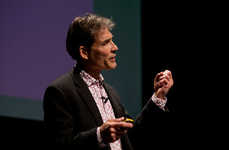
This collection of data presentations offers a variety of perspectives on the increase in today's data. These speeches discuss the uses of big data for businesses, the downsides of data and why individuals need to be cautious of big data and the ways in which large brands are using and accessing different information.
Speaker and political scientist Simon Jackman believes that big data can be used to analyze political statistics as well as in strategies to ensure more transparency throughout elections.
John Winsor argues that social media platforms can be harnessed to collect insights and reviews from consumers. Networks like Twitter and Facebook are great arenas in which individuals can voice their opinions; this type of data is extremely useful to brands, and because it is online, managing its curation is simple.
Author of 'The Information Diet' Clay Johnson warns consumers that the accessibility and availability of data today results in biased news coverage. Many large online publications publish articles based on the most common keywords users search for on the Internet. Front pages of huge websites will then publish the types of articles people search for, which means the most insightful and important stories aren't always covered. Stories are now being published for their entertainment values, instead of their journalistic value.
These data presentations represent a variety of views -- both positive and negative -- on big data today.
Speaker and political scientist Simon Jackman believes that big data can be used to analyze political statistics as well as in strategies to ensure more transparency throughout elections.
John Winsor argues that social media platforms can be harnessed to collect insights and reviews from consumers. Networks like Twitter and Facebook are great arenas in which individuals can voice their opinions; this type of data is extremely useful to brands, and because it is online, managing its curation is simple.
Author of 'The Information Diet' Clay Johnson warns consumers that the accessibility and availability of data today results in biased news coverage. Many large online publications publish articles based on the most common keywords users search for on the Internet. Front pages of huge websites will then publish the types of articles people search for, which means the most insightful and important stories aren't always covered. Stories are now being published for their entertainment values, instead of their journalistic value.
These data presentations represent a variety of views -- both positive and negative -- on big data today.
2.8
Score
Popularity
Activity
Freshness