
 play_circle_filled
 play_circle_filled
 play_circle_filled
 play_circle_filled
 play_circle_filled
 play_circle_filled
 play_circle_filled
 play_circle_filled
 play_circle_filled
 play_circle_filled
 play_circle_filled
 play_circle_filled
 play_circle_filled
 play_circle_filled
 play_circle_filled
 play_circle_filled
 play_circle_filled
 play_circle_filled
 play_circle_filled
 play_circle_filled
From Democracy-Enabling Technology to Empowering Citizens
Jaime Neely — April 18, 2013 — Keynote Trends
Countless movements and cultural transformations were born during the digital age and perhaps one of the most influential is the relationship between politics and social media. Never before have politicians been able to connect with citizens like they than can now through Twitter, live video chat, Facebook and countless other mediums. Citizens, too, can have their voices heard through these platforms, as well as connect with others who share similar beliefs.
These speeches highlight various specific examples of how this relationship evolved and how it's transformed the lives of people all over the world.
One of the most interesting speeches featured here comes from Michael Anti who discusses online behavior in China. He reveals that China is home to 300 million bloggers and that the country's citizens, while banned from accessing networks like Facebook or Twitter, use equivalents to these platforms that are exclusive to their country. He explains how this behavior connects people from all over the country and empowers them to express themselves despite the government's strict laws.
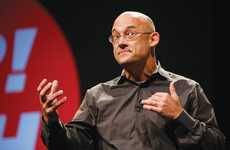
Clay Shirky sees social media as an opportunity for governments to behave in a more transparent way. Everything from drafting legislation to elections, can be taken online and opened up to ever citizen.
These speeches highlight various specific examples of how this relationship evolved and how it's transformed the lives of people all over the world.
One of the most interesting speeches featured here comes from Michael Anti who discusses online behavior in China. He reveals that China is home to 300 million bloggers and that the country's citizens, while banned from accessing networks like Facebook or Twitter, use equivalents to these platforms that are exclusive to their country. He explains how this behavior connects people from all over the country and empowers them to express themselves despite the government's strict laws.
Clay Shirky sees social media as an opportunity for governments to behave in a more transparent way. Everything from drafting legislation to elections, can be taken online and opened up to ever citizen.
1.1
Score
Popularity
Activity
Freshness